Everyday Meals, Explained Simply

You Expect Breakfast to Fix Your Energy—Biblical drink (oil)/ Honey blend Tells a Different Kitchen Story

Most mornings don’t go the way you planned. This page looks at everyday meal habits—and the old kitchen tradition behind Biblical drink (oil)/ Honey blend—without promising anything about your numbers.

Everyday Nutrition  ·  Daily Habits  ·  Educational Content  ·  Kitchen Tradition

The Routine Nobody Warns You About

You track your meals. You still feel off some days. Here’s what that usually looks like.

Mornings That Start Tired

You slept. You still wake up foggy. Coffee helps for an hour, then you're back to square one.

The After-Lunch Rollercoaster

Lunch feels fine going down. An hour later, your energy dips hard. You reach for something sweet just to get through the afternoon.

The Weight of Every Meal Decision

Every plate becomes a small negotiation. Is this okay? Too much? Not enough? It adds up by dinner.

Too Many Rules, Not Enough Clarity

One source says avoid carbs. Another says fruit is fine. You end up more confused than when you started.

Myths vs. Facts: Carbs, Fruit, and Food Labels

A few ideas get repeated so often they start to sound like fact. Let’s slow down and look closer.

MYTH

All carbohydrates act the same way once you eat them.

FACT

Carb sources vary a lot. Whole foods behave differently on the plate than heavily processed ones—context matters.

MYTH

Fruit is off-limits if you’re watching what you eat.

FACT

Whole fruit brings fiber and structure that juice or added sugar don’t. Many people still include it, alongside guidance from their care team.

MYTH

Anything labeled ‘diabetic food’ is automatically the safe choice.

FACT

A label isn’t a substitute for reading the ingredient list—or for a conversation with the professional who knows your history.

Three Habits Around the Meal Itself

Not about what’s on the plate alone. About how the meal unfolds.

01

Rethink the Order on the Plate

Some traditional meal patterns start with vegetables and protein, saving starchier foods for later in the meal. Simple sequencing, nothing more.

02

Slow Down the Meal Itself

Put the fork down between bites. Let the meal take twenty minutes instead of five. It changes how the whole experience feels.

03

Add a Little Movement Afterward

A short walk after eating is an old habit in many cultures. Nothing intense—just moving instead of sitting straight down.

A Tradition From the Table, Not From a Bottle

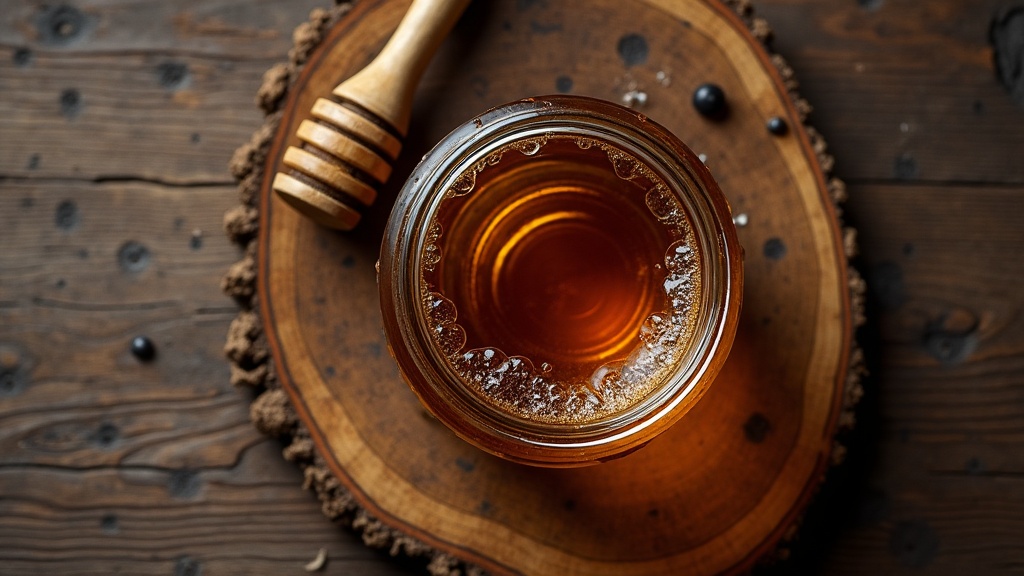
Long before supplements existed, kitchens in the Mediterranean and Middle East blended honey and oil into warm drinks after meals. It wasn’t medicine—it was hospitality. Guests were offered something warm and sweet as a meal wound down, a gesture as much as a taste. Herbal infusions after eating followed the same logic: a pause built into the day, a small ritual marking the end of a meal rather than the start of a treatment. Recipes passed between households, each with small variations—more honey here, a different oil there—shaped by what was on hand and what a family had always done.

The tradition was about the pace of the meal and the shape of the evening, not about changing anything inside the body. Worth remembering as history and as a habit, nothing more.

When It's Time to Loop In Your Doctor

Energy That Swings Sharply During the Day

Big highs and lows that don't match your usual pattern are worth mentioning at your next visit.

Sleep That Never Feels Restful

If rest stops helping the way it used to, bring it up with the professional who tracks your health history.

Noticeable Changes in Thirst or Appetite

Shifts that feel new or sudden deserve a conversation with your doctor, not a guess on your own.

Unusual Sensations After Eating

New or unfamiliar feelings after meals are best described directly to the person who knows your medical history.

Mood Shifts Tied to Meal Timing

If irritability or low mood seems linked to when you eat, your care provider can help sort out what's going on.

Anything You Can't Quite Explain

Trust that instinct. Bring it to your doctor instead of searching for answers alone—they know your full picture.

How Other People Reorganized Their Meals

I stopped treating every meal like a test. Eating slower and in a different order made the whole day feel less chaotic.

Marta Ellison
Illustrative account
The short walk after dinner became the easiest habit I've kept. Nothing dramatic—just something I actually stuck with.
Dale Whitfield
Illustrative account
Learning about the honey-and-oil tradition made me curious about my own kitchen habits. I still check in with my doctor regularly—that hasn't changed.
Priya Nandan
Illustrative account

These are individual experiences shared for illustration. They are not a guarantee of any outcome, and they don’t reflect medical results or advice.

Curious About the Full Tradition Behind Biblical drink (oil)/ Honey blend?

See where it comes from, how it was used at the table, and how people build it into an everyday routine—alongside their doctor’s guidance, not instead of it.

Advertising Disclosure: This page contains sponsored content and affiliate links. We may receive compensation if you click a link or make a purchase through the links provided on this page. This helps support the content on this site.

Content Disclaimer: This content is for educational purposes only and has not been evaluated by the FDA. It is not intended to diagnose, treat, cure, or prevent any disease. This information does not substitute for professional medical advice. Always consult a qualified healthcare professional before changing your diet, routine, or any prescribed treatment.

Results Disclaimer: Individual results vary. Testimonials reflect personal experiences and are not a guarantee of similar outcomes for any reader.

© 2026 · All Rights Reserved